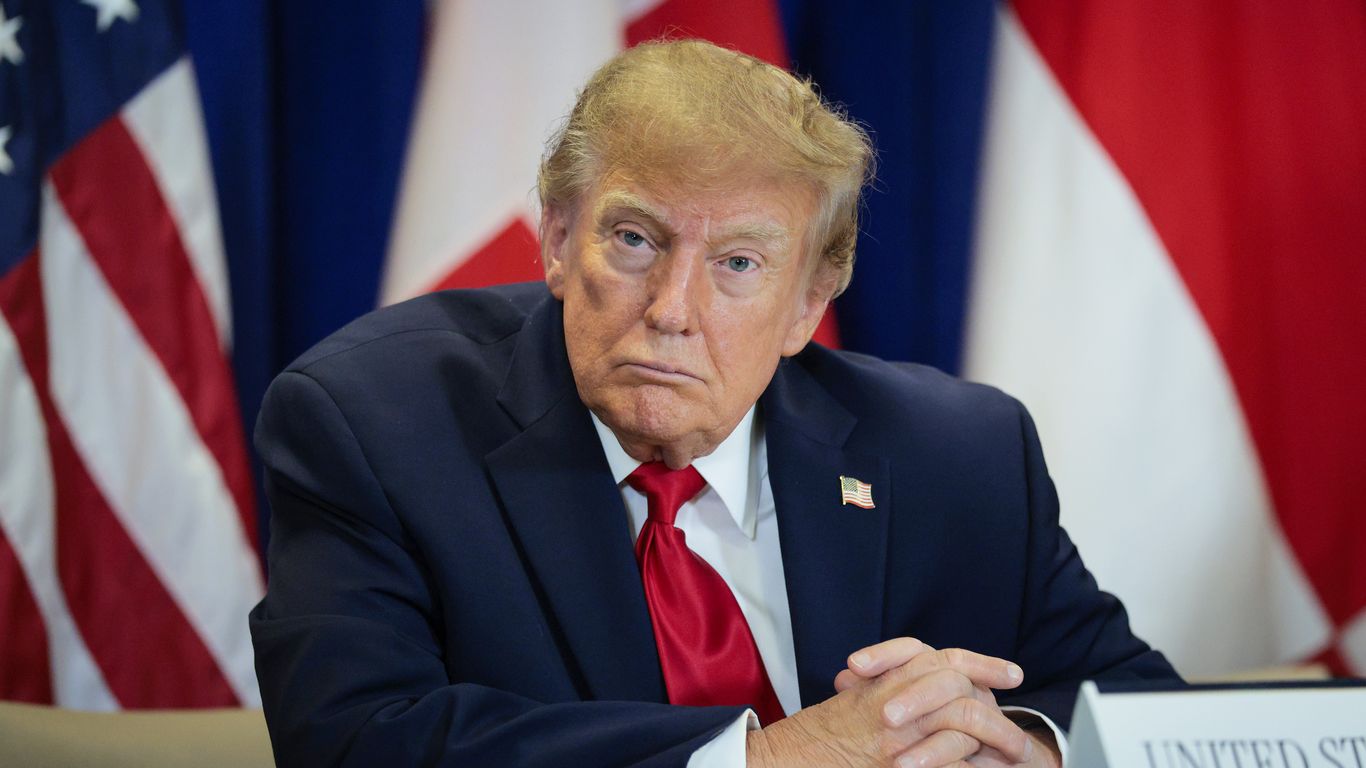
President Trump's willingness to offer economic relief to Iran in exchange for concrete nuclear concessions has sparked renewed interest in the possibility of a diplomatic breakthrough between the two warring countries. This potential deal comes as a surprise, given the current state of tension and the far-reaching implications of any agreement. The U.S. message to Iran, facilitated by Qatari and Pakistani mediators, presents a glimmer of hope amidst the ongoing conflict.
The core issue at hand revolves around the Strait of Hormuz and the U.S. naval blockade, which Iran seeks to address. However, the Trump administration's demand for nuclear concessions adds a layer of complexity to the negotiations. The offer provides a unique opportunity to explore a diplomatic solution, especially after Trump rejected Iran's previous proposal.
The mediators' meetings with Iranian Foreign Minister Abbas Araghchi in New York have been described as 'positive and constructive', indicating a willingness to engage on both sides. However, the U.S. official's cautionary tone highlights the remaining challenges. The gap in the timing of commitments and the question of who takes the first step persist, underscoring the delicate nature of the negotiations.
The White House's skepticism about Iran's promises is well-founded, given the country's history of breaking memorandums of understanding. The recent incident involving the firing of commercial vessels in the Strait of Hormuz in July further raises concerns about Iran's reliability. The U.S. seeks assurances that Iran is genuinely committed to the deal and not merely attempting to navigate its challenging situation.
The potential deal's implications are far-reaching, impacting not only the Middle East but also global energy markets and geopolitical stability. The U.S. position, as described by the official, emphasizes the importance of addressing nuclear concerns to achieve a lasting resolution. The ongoing negotiations and the mediators' efforts demonstrate a commitment to finding a peaceful solution, despite the challenges and historical tensions.
In my opinion, this development highlights the complexity of international relations and the delicate balance between economic relief and nuclear concessions. It also underscores the importance of mediators and the potential for diplomatic breakthroughs, even in the most challenging circumstances. The outcome of these negotiations will significantly influence the future of the region and global security.